Reported by Dr Yvonne-Marié Brand, Prof Liesl van der Merwe & Ms Rineke Viljoen
(also see NWU-KMH academic exchange programme continues)
Our teaching exchange at the end of November last year, hosted by the Royal College of Music in Stockholm (KMH), was a rich and memorable professional experience. The visit formed part of the long-standing collaboration between North-West University and KMH, which has been sustained over many years through earlier Linnaeus–Palme mobility funding, and is currently supported through the Erasmus+ International Credit Mobility programme. This partnership has enabled meaningful academic exchange through both staff and student mobility.
During our visit, we had the privilege of teaching across several programmes at KMH, including a lecture on Positive Psychology, an African Music choral workshop, sessions on Multicultural Teaching, seminars with master’s students on Practice-Based Research, a session with the Music Therapy cohort on Community Music, as well as performance and aural training workshops. Each group engaged with curiosity and we appreciated how easily the discussions connected to their artistic identities and educational contexts.
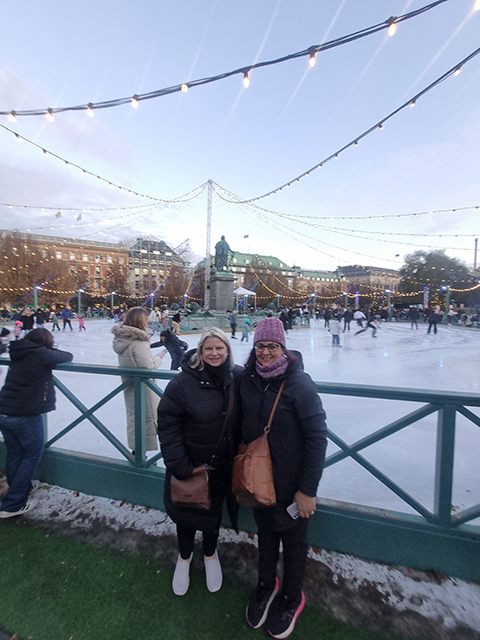
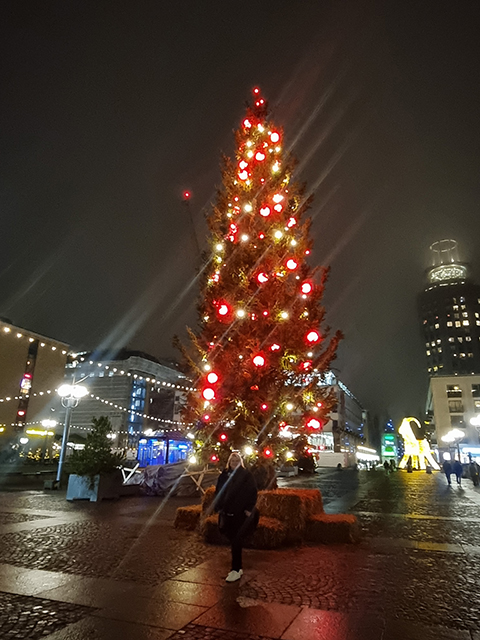
A highlight for Prof van der Merwe was working with the PhD students in a session on academic writing. Their openness to developing their scholarly voice made the workshop both rewarding and energising. She also particularly enjoyed participating in Eva Wedin’s Eurhythmics classes, where observing and engaging with the Swedish approach to movement-based learning broadened her understanding of embodied pedagogy.
For Ms Viljoen, the open lecture-workshop on African choral works that she presented was especially meaningful and very well received by the students.
A particularly meaningful highlight for Dr Brand was the opportunity to meet the educator who developed the Suzuki approach for trumpet and who continues to play a leading role in training trumpet teachers in this method internationally. This interaction opened the door to potential future collaboration and dialogue around trumpet pedagogy and teacher training.
Another special aspect of the visit was the strong sense of collegiality experienced throughout our time at KMH. From students to senior leadership, including the Vice-Chancellor, many joined us for spontaneous lunches at the Oktav restaurant. These informal moments created valuable space for conversation, exchange of ideas, and the strengthening of professional relationships.
It was also heart-warming to observe how the NWU students currently on exchange at KMH were flourishing in this environment. They demonstrated a remarkable level of independence, adaptability, and musical engagement, and it was encouraging to see how confidently they were navigating both the academic and cultural contexts of their host institution. Witnessing their growth and maturity affirmed the value of the exchange programme for student development.
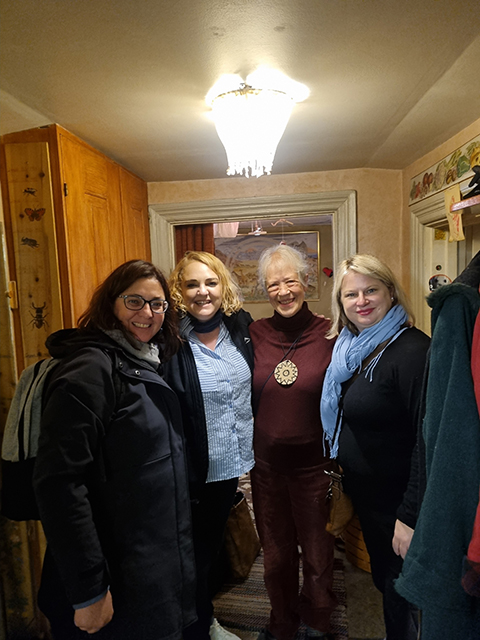
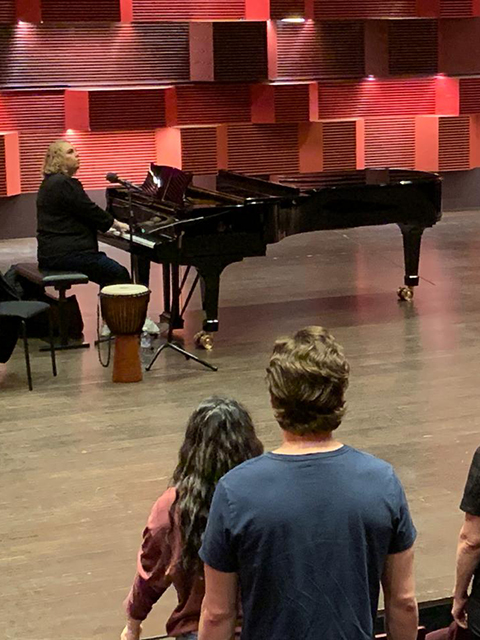
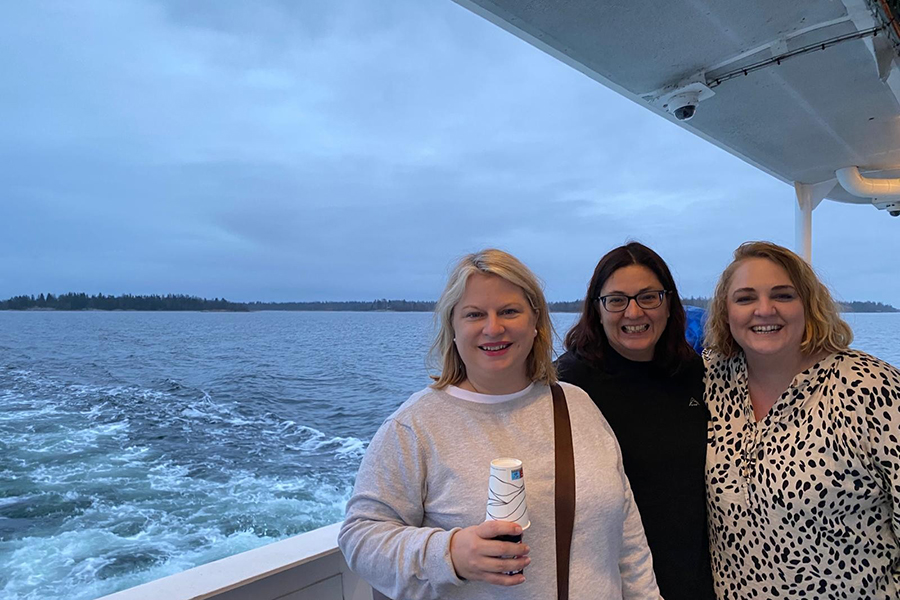
Beyond the classroom, Sweden itself became part of the learning experience. The pervasive silence and calm were deeply restorative, especially in contrast to the intensity of the teaching days. A particularly meaningful moment was the weekend spent at Eva Wedin’s home on the island, where we shared meals, conversation, and a small, intimate concert together. Surrounded by water, forest, and the gentle light of the Swedish winter, we experienced the powerful connection between environment, creativity, and community.
Concert life at KMH added another dimension to the visit, from student performances to professional productions, including an unforgettable Sami opera. These experiences enriched our understanding of Sweden’s cultural landscape and demonstrated the strong integration of artistry into everyday academic life.
Two further memorable experiences emerged from the cultural connections established through the cultural study trip to South Africa in November 2025, which Eva Wedin organised independently from the academic exchange programme. These connections allowed us to experience Swedish hospitality and culture in a very personal way. One afternoon we visited the home of a very special music teacher in Gamla Stan, Stockholm’s historic old town, where we were warmly received in a truly unique and special setting. On another occasion, we were hosted for dinner by friends of Eva Wedin and her husband, enjoying exceptional hospitality, stimulating conversation, and a remarkable selection of wines. These encounters enriched the visit by deepening cultural understanding and strengthening the interpersonal relationships that often underpin successful international collaborations.
Overall, this exchange strengthened our relationships with Swedish and South African colleagues, enriched our teaching practices, broadened our artistic perspectives, and deepened our appreciation for the thoughtful, human-centred approach to music education in Sweden. It also reaffirmed the value of the long-standing NWU–KMH partnership and created new opportunities for continued collaboration in teaching, research, and student mobility between our institutions.